
 Phone: (678)278-9226
 Fax: (678)278-9226
 Address: 1050 Nine North Drive, "D"
February, 13 By admin
Disclaimer: This article is for informational purposes only and does not replace professional medical advice, diagnosis, or treatment. Always consult a qualified healthcare provider regarding symptoms or before starting any medication for erectile dysfunction (ED).
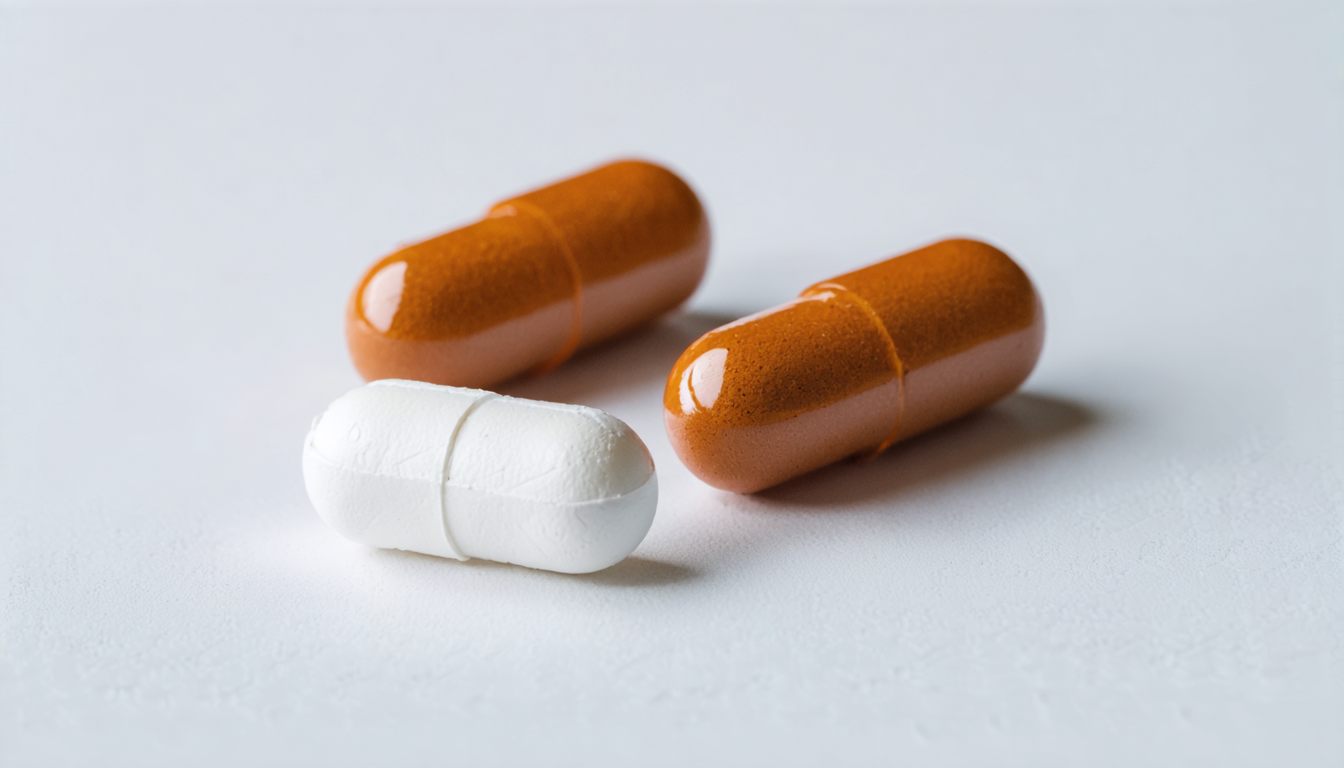
Impotence medication refers to prescription drugs used to treat erectile dysfunction (ED) — the persistent inability to achieve or maintain an erection sufficient for sexual activity. The most common medicines belong to a group called PDE5 inhibitors. They improve blood flow to the penis when a man is sexually stimulated.
ED can result from physical causes (cardiovascular disease, diabetes, hormonal imbalance), psychological factors (stress, anxiety, depression), or a combination of both. Lifestyle habits such as smoking, excessive alcohol use, and inactivity also contribute. In many cases, ED is an early sign of vascular problems.
If erection problems occur regularly for more than three months and cause distress, it may be time to consult a doctor. Occasional difficulties are common and not always a sign of disease. A healthcare provider can determine whether medication or another approach is appropriate.
When prescribed and taken correctly, FDA- and EMA-approved ED medications are generally safe for most men. However, they may cause side effects such as headache, flushing, nasal congestion, or indigestion. They are not safe for people taking nitrates or certain heart medications.
Common PDE5 inhibitors include sildenafil, tadalafil, vardenafil, and avanafil. They differ in duration of action and onset time. A doctor selects the option based on medical history, frequency of sexual activity, and other health conditions.
In most countries, yes. A prescription ensures that a healthcare professional evaluates potential risks, drug interactions, and underlying conditions. Avoid buying ED drugs from unverified online sources.
Yes, depending on the cause. Lifestyle changes, psychological counseling, pelvic floor exercises, and management of chronic diseases may improve erectile function. In some cases, devices or surgical options are considered.
Some medications work within 15–60 minutes after intake, but sexual stimulation is still required. Duration varies from 4 hours to more than 36 hours, depending on the drug. Food intake may affect absorption for certain options.
Some supplements claim to improve male performance, but scientific evidence is limited. Certain products may interact with medications or contain undeclared substances. Discuss any supplement use with your doctor.
Seek immediate medical attention if you experience chest pain during sexual activity, sudden vision or hearing loss, or an erection lasting more than four hours (priapism). These are rare but serious complications.
Yes. ED can be an early marker of cardiovascular disease because both involve blood vessel health. Men with ED should consider a cardiovascular risk assessment.
Yes. In younger men, ED is often linked to stress, anxiety, performance pressure, or lifestyle factors. However, medical causes should still be ruled out.
PDE5 inhibitors block the enzyme phosphodiesterase type 5, enhancing the effects of nitric oxide. This relaxes smooth muscle tissue and increases blood flow in penile arteries during sexual stimulation. These medications do not increase sexual desire; they support the physical response.
ED is often multifactorial. Physical causes include:
Psychological contributors include anxiety, depression, and relationship difficulties. More information about related men’s health topics can be found in our Sex section.
Impotence medication should not be combined with nitrate drugs (often prescribed for chest pain) due to the risk of severe blood pressure drop. Caution is also required in patients with significant heart disease, liver or kidney impairment.
Common side effects:
Discuss your full medication list with a healthcare provider. For broader health safety topics, visit our Public health section.
Before prescribing ED treatment, a doctor may:
ED may be a signal to address underlying chronic disease. Early detection improves overall prognosis.
Depending on the cause, alternatives include:
You can explore related wellness materials in our Blog section.
| Symptom / situation | Urgency level | Where to seek help |
|---|---|---|
| Occasional erection difficulty | Low | Schedule routine GP appointment |
| Persistent ED for 3+ months | Moderate | Primary care physician or urologist |
| ED with diabetes or heart disease | Moderate–High | Doctor + cardiovascular assessment |
| Chest pain during sexual activity | Emergency | Call emergency services |
| Erection lasting more than 4 hours | Emergency | Emergency department immediately |
| Sudden vision or hearing loss | Emergency | Urgent medical evaluation |